紧急排查!三次油气回收设备罐内持续负压,设备不启动?3步快速解决
紧急排查!三次油气回收设备罐内持续负压,设备不启动?
Urgent investigation! Continuous negative pressure in the tank of the three oil and gas recovery equipment, and the equipment does not start?
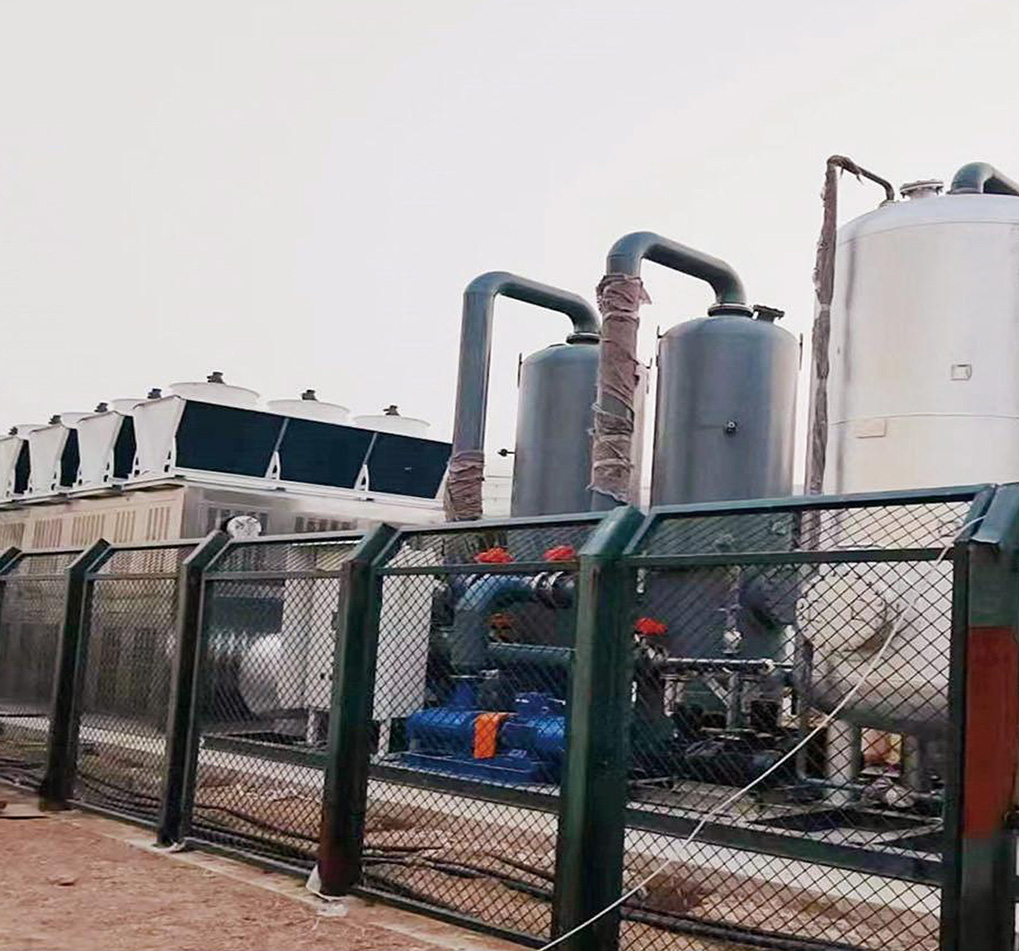
3步快速解决三次油气回收设备是加油站、储油库等场所践行环保合规、控制VOCs(挥发性有机化合物)排放的核心设备,其稳定运行直接关系到企业环保达标与安全生产。但在实际运维过程中,不少从业者都会遇到一个棘手问题——罐内持续处于负压状态,进而导致三次油气回收设备无法正常启动,不仅影响油气回收效率,还可能面临环保处罚风险。据行业运维数据显示,42%的三次油气回收设备故障与罐内负压异常有关,其中68%的负压问题可通过简单排查快速解决,无需专业维修团队介入。今天,结合实操经验与行业规范,详解三次油气回收设备罐内持续负压的成因及排查解决方法,帮从业者快速脱困、保障设备正常运行。
The three-step quick solution for tertiary oil and gas recovery equipment is the core equipment for gas stations, oil storage facilities, and other places to practice environmental compliance and control VOCs (volatile organic compounds) emissions. Its stable operation is directly related to the environmental standards and safety production of enterprises. However, in the actual operation and maintenance process, many practitioners will encounter a thorny problem - the tank is continuously in a negative pressure state, which leads to the inability of the three oil and gas recovery equipment to start normally, not only affecting the efficiency of oil and gas recovery, but also possibly facing environmental penalties. According to industry operation and maintenance data, 42% of three oil and gas recovery equipment failures are related to abnormal negative pressure inside the tank, of which 68% of negative pressure problems can be quickly solved through simple troubleshooting without the need for professional maintenance teams to intervene. Today, based on practical experience and industry standards, we will provide a detailed explanation of the causes and troubleshooting methods for the continuous negative pressure inside the three oil and gas recovery equipment tanks, helping practitioners to quickly escape and ensure the normal operation of the equipment.
首先明确核心痛点:三次油气回收设备对罐内压力有严格的运行要求,一旦罐内持续处于负压状态,设备会触发压力保护机制,自动停止启动,避免因压力异常造成设备损坏或安全隐患。罐内负压的形成,本质是罐内气体收支失衡,导致内部压力低于外界大气压,长期负压不仅会导致设备无法启动,还可能损伤储罐,甚至引发油气泄漏等安全问题,据实测,罐内负压持续超过2小时,储罐受损概率会提升35%。
Firstly, clarify the core pain point: The tertiary oil and gas recovery equipment has strict operating requirements for the pressure inside the tank. Once the tank is continuously in a negative pressure state, the equipment will trigger a pressure protection mechanism, automatically stop starting, and avoid equipment damage or safety hazards caused by abnormal pressure. The formation of negative pressure inside the tank is essentially due to the imbalance of gas balance inside the tank, resulting in an internal pressure lower than the external atmospheric pressure. Long term negative pressure can not only cause equipment to fail to start, but also damage the storage tank, and even cause safety issues such as oil and gas leaks. According to actual measurements, if the negative pressure inside the tank continues for more than 2 hours, the probability of tank damage will increase by 35%.
遇到三次油气回收设备因罐内负压无法启动时,无需盲目停机检修,重点排查以下三项,即可快速定位问题、解决隐患,兼顾专业性与实操性,适合一线运维人员操作。
When encountering three situations where the oil and gas recovery equipment cannot be started due to negative pressure inside the tank, there is no need to blindly shut down for maintenance. Focus on investigating the following three items to quickly locate the problem, solve hidden dangers, and balance professionalism and practicality. It is suitable for frontline operation and maintenance personnel to operate.
第一项,重点检查排气管上的呼吸阀(又称压力/真空阀),这是导致罐内负压最常见的原因,占负压故障的53%。呼吸阀的核心作用是调节油罐内外压差,当罐内压力降低到设定真空值时,呼吸阀会自动开启,让外界空气进入油罐,避免罐内产生负压、被大气压瘪。若呼吸阀出现卡滞、粘连等故障无法正常工作,随着加油机持续向外加油,罐内液位不断下降,内部气体体积增大,压力逐渐降低,就会形成持续负压,进而触发设备保护机制,导致三次油气回收设备无法启动。排查时需观察呼吸阀是否能正常开启,清理阀口杂质,确保其能根据罐内压力变化灵活动作,若呼吸阀损坏,需及时更换符合API 2000标准的合格产品。
The first item is to focus on checking the breathing valve (also known as pressure/vacuum valve) on the exhaust pipe, which is the most common cause of negative pressure in the tank, accounting for 53% of negative pressure failures. The core function of the breathing valve is to regulate the pressure difference inside and outside the oil tank. When the pressure inside the tank drops to the set vacuum value, the breathing valve will automatically open, allowing outside air to enter the oil tank, avoiding negative pressure and collapse by atmospheric pressure inside the tank. If the breathing valve malfunctions such as jamming or adhesion and cannot work properly, as the refueling machine continues to refuel outward, the liquid level in the tank continues to decrease, the internal gas volume increases, and the pressure gradually decreases, a continuous negative pressure will be formed, which will trigger the equipment protection mechanism and cause the three times oil and gas recovery equipment to fail to start. When troubleshooting, it is necessary to observe whether the breathing valve can be opened normally, clean the impurities at the valve port, and ensure that it can move flexibly according to the pressure changes inside the tank. If the breathing valve is damaged, it should be replaced with a qualified product that meets the API 2000 standard in a timely manner.
第二项,检查油气回收回气系统是否正常,这一问题占负压故障的27%。三次油气回收系统的正常运行,依赖于油气的“回收-回输”循环,若油气回收回气不顺畅、甚至中断,在持续加油过程中,罐内油气被不断抽出,却无法通过回气系统补充,会导致罐内气体总量减少,形成负压。排查时需检查回气管道是否堵塞、回气阀门是否完全开启,确认油气能顺畅回输至罐内,同时检查管道接头、法兰密封垫是否泄漏,避免因泄漏导致回气不足,进一步加剧负压问题。
The second item is to check whether the oil and gas recovery and return system is normal, which accounts for 27% of negative pressure faults. The normal operation of the three-stage oil and gas recovery system relies on the "recovery return" cycle of oil and gas. If the oil and gas recovery return is not smooth or even interrupted, during the continuous refueling process, the oil and gas in the tank will be continuously extracted but cannot be replenished through the return system, which will result in a decrease in the total amount of gas in the tank and the formation of negative pressure. When troubleshooting, it is necessary to check whether the return gas pipeline is blocked, whether the return gas valve is fully opened, and confirm that the oil and gas can be smoothly returned to the tank. At the same time, check whether the pipeline joints and flange gaskets are leaking to avoid insufficient return gas caused by leakage, which further exacerbates the negative pressure problem.
第三项,检查三次油气回收设备的压力传感器,这是最易被忽视的隐性原因,占负压故障的20%。压力传感器是设备监测罐内压力的核心部件,负责实时传输压力数据,若传感器出现故障、数据漂移或损坏,会错误显示罐内处于负压状态,导致设备误触发保护机制,无法正常启动,实则罐内压力可能处于正常范围。排查时可通过专业仪器校准压力传感器,检查传感器接线是否牢固,若传感器故障,需及时更换高精度传感器(误差≤±0.25% FS),确保压力监测数据准确无误,避免设备误判。
The third item is to check the pressure sensor of the oil and gas recovery equipment three times, which is the most easily overlooked hidden cause, accounting for 20% of negative pressure failures. The pressure sensor is the core component of the equipment for monitoring the pressure inside the tank, responsible for real-time transmission of pressure data. If the sensor malfunctions, drifts or is damaged, it will erroneously display that the tank is in a negative pressure state, causing the equipment to trigger the protection mechanism incorrectly and fail to start normally. In fact, the pressure inside the tank may be within the normal range. When troubleshooting, the pressure sensor can be calibrated with professional instruments to check if the sensor wiring is secure. If the sensor fails, it is necessary to replace the high-precision sensor in a timely manner (with an error of ≤± 0.25% FS) to ensure accurate pressure monitoring data and avoid equipment misjudgment.
需要特别提醒的是,三次油气回收设备罐内负压问题虽多可通过上述三步排查解决,但日常运维也至关重要。据行业调研显示,做好日常维护的企业,罐内负压故障发生率可降低70%以上。建议定期检查呼吸阀的密封性与灵活性,每6个月校准一次压力传感器,每月清理回气管道杂质,避免因维护疏漏导致负压问题反复出现,同时严格遵循《油气回收处理设施技术标准》(GB/T50759-2022),确保设备运行符合规范。
It should be noted that although the negative pressure problem inside the tank of the tertiary oil and gas recovery equipment can be solved through the above three steps of troubleshooting, daily operation and maintenance are also crucial. According to industry research, companies that do a good job in daily maintenance can reduce the occurrence rate of negative pressure faults in tanks by more than 70%. It is recommended to regularly check the sealing and flexibility of the breathing valve, calibrate the pressure sensor every 6 months, clean the impurities in the return gas pipeline every month to avoid repeated negative pressure problems caused by maintenance omissions, and strictly follow the "Technical Standards for Oil and Gas Recovery and Treatment Facilities" (GB/T50759-2022) to ensure that the equipment operates in compliance with regulations.
对于加油站、储油库等从业者而言,三次油气回收设备的稳定运行是环保合规的基础,罐内持续负压导致设备不启动,不仅影响日常运营,还可能因油气回收中断面临环保处罚——根据《大气污染防治法》,油气回收设备未正常运行,可处10万元以上50万元以下罚款。掌握上述三项排查方法,可快速解决大部分负压问题,避免因小故障造成大损失。
For practitioners in gas stations, oil storage facilities, and other industries, the stable operation of tertiary oil and gas recovery equipment is the foundation of environmental compliance. Continuous negative pressure inside the tank causing the equipment to fail to start not only affects daily operations, but may also face environmental penalties due to interruption of oil and gas recovery. According to the "Air Pollution Prevention and Control Law", if the oil and gas recovery equipment does not operate normally, a fine of no less than 100000 yuan and no more than 500000 yuan may be imposed. Mastering the above three troubleshooting methods can quickly solve most negative pressure problems and avoid major losses caused by minor malfunctions.
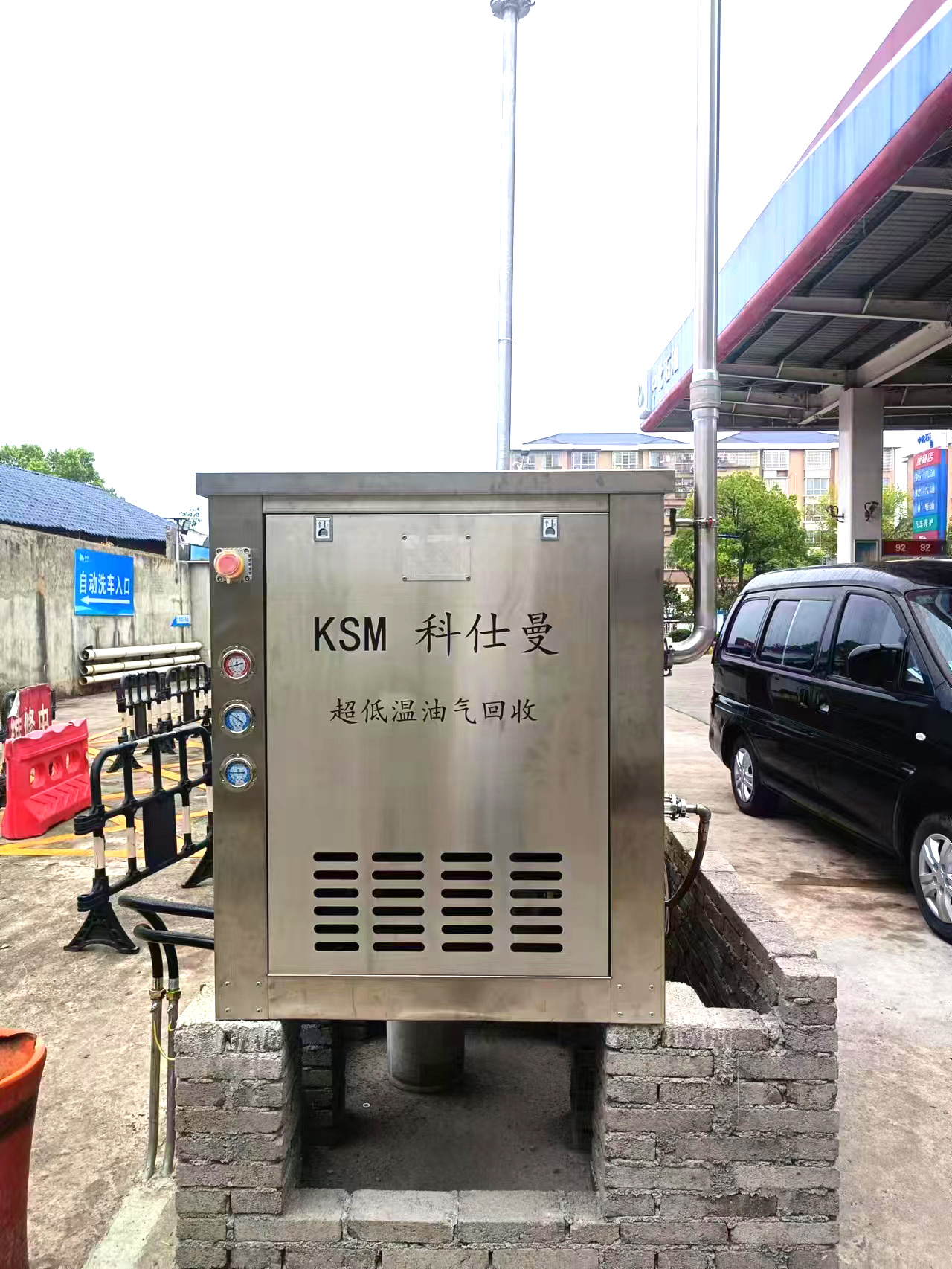
综上,三次油气回收设备罐内持续负压、无法启动,并非复杂故障,核心多源于呼吸阀失效、回气不畅或压力传感器故障。只要按照“先查呼吸阀、再查回气系统、最后查压力传感器”的顺序排查,就能快速定位问题、高效解决,无需专业维修团队介入,大幅降低运维成本。对于一线运维人员而言,掌握这些实操技巧,既能保障设备稳定运行,也能避免因负压问题引发的环保与安全隐患,助力企业实现合规、高效运营。
In summary, the continuous negative pressure and inability to start in the tank of the three oil and gas recovery equipment are not complex faults. The core causes are mainly due to the failure of the breathing valve, poor return air, or pressure sensor faults. As long as the order of "checking the breathing valve first, then the return air system, and finally the pressure sensor" is followed for troubleshooting, the problem can be quickly located and efficiently solved without the need for professional maintenance teams to intervene, greatly reducing operation and maintenance costs. For frontline operation and maintenance personnel, mastering these practical skills can not only ensure the stable operation of equipment, but also avoid environmental and safety hazards caused by negative pressure problems, helping enterprises achieve compliant and efficient operations.
本文由 三次油气回收设备 友情奉献.更多有关的知识请点击http://www.kosman.com.cn/真诚的态度.为您提供为全面的服务.更多有关的知识我们将会陆续向大家奉献.敬请期待.
This article is a friendly contribution from three oil and gas recovery equipment For more related knowledge, please click http://www.kosman.com.cn/ Sincere attitude To provide you with comprehensive services We will gradually contribute more relevant knowledge to everyone Coming soon.
地址:山东省菏泽市成武县经济开发区机电产业园钢架结构单层5号
 【微信二维码】
  留言咨询
留言咨询Adopting different technology and process control schemes
 鲁公网安备 337172302372103号